

Rail Competition and Infrastructure Strategy in Spain
Rail competition and infrastructure strategy are no longer separate discussions. They are structurally connected within modern transport ecosystems.
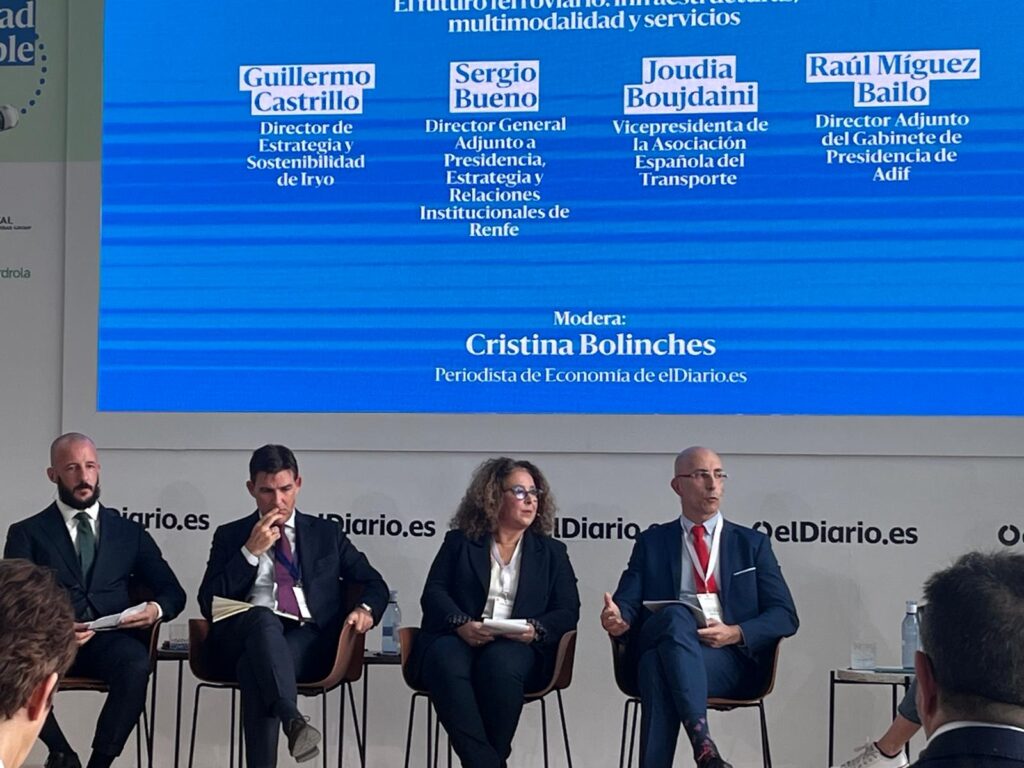
On 14 November 2024, I participated in the IV Sustainable Mobility Conference organised by elDiario.es in Madrid. The roundtable focused on the future of rail transport in Spain and brought together representatives from Adif, Renfe and Iryo.
Competition as a Structural Driver
Market liberalisation in passenger rail is not simply about new entrants. It directly affects infrastructure governance, operational models and long-term efficiency incentives.
Increased rail competition challenges established operators. It improves performance standards and enhances service quality. However, competition must be aligned with infrastructure capacity and regulatory frameworks to ensure system stability.
Infrastructure Efficiency and Capital Intensity
Rail infrastructure remains capital-intensive and operationally complex. High levels of investment and maintenance expenditure require efficient governance and long-term planning.
Infrastructure strategy cannot be reactive. It must anticipate growth, manage regulatory exposure and optimise asset performance. In this context, rail competition and infrastructure strategy must evolve together.
Spain’s Strategic Positioning
Spain is currently experiencing a positive momentum in rail development. Sustained public investment, network expansion and improved connectivity have strengthened the system.
Yet long-term sustainability depends on regulatory alignment, infrastructure optimisation and coherent strategic positioning within European transport frameworks.
Rail competition and infrastructure strategy are ultimately about system performance — not short-term market dynamics.